The methylation cycle is a chain of chemical changes that occur in the body with the primary purpose of regulating gene expressions and repair, chemicals that relay signals in the nervous system, and biochemical reactions involving proteins and lipids. Genetic variants in the methylation pathway cycle genes can compromise critical functions in our bodies.


Recommendations based on your report, designed to support long-term health and overall optimization.

Seek out natural folate rich foods over foods containing synthetic folic acid. Folic acid is chemically different from the natural folate found in whole foods. Check all food labels, as they will state if folic acid is used. Labels which say "fortified" or "enriched" typically indicate foods sprayed with synthetic folic acid, including most commercial breads, cereals, and grain products. This distinction matters because synthetic folic acid has to be converted by your body and can potentially mask B12 deficiency, while natural folate is more readily utilized. Focus instead on consuming folate-rich whole foods: dark leafy greens (spinach, kale, collards), asparagus, broccoli, Brussels sprouts, avocado, and citrus fruits. These natural sources provide folate in its bioavailable form along with secondary nutrients that support regulated methylation.

Chronic stress can actually change how your genes are expressed. Stress causes your body's hypothalamic-pituitary-adrenal (HPA) axis to remain activated, leading to elevated cortisol and inflammatory cytokines that trigger harmful DNA methylation changes. Research shows that chronic stress significantly increases methylation at specific sites on the BDNF gene, which can impair your brain's ability to adapt, while increasing vulnerability to neuropsychiatric disorders, depression, and neurodegenerative diseases. To protect regular methylation cycles, implement daily stress management practices like deep breathing exercises or meditation. It's also important to not overlook the power of social connections. These interventions may reverse harmful epigenetic changes caused by chronic stress, helping to re-stabilize DNA methylation.

Bisphenol A (BPA) exposure consumes SAMe (your body's universal methyl donor) while simultaneously disrupting methylation enzymes. BPA is found in many different sources of plastic: food containers, water bottles, canned food linings, and thermal receipt paper, and it induces harmful DNA methylation patterns. Research shows that BPA corrupts the precise methylation patterns needed for proper gene expression. To protect your methylation pathways, there are many clean, cheap, and easy swaps that you can make, like switching to glass or stainless steel containers. When it comes to leftovers, you should never microwave plastic, since that is more likely to release BPA into your food, and always be on the lookout for BPA-free products.

High histamine intake creates a drain on methylation by forcing your body to use SAMe, your universal methyl donor, to break down histamine. This competition diverts SAMe away from critical methylation functions like DNA repair, neurotransmitter production, and detoxification. To protect your methylation capacity, you should limit your intake of high histamine foods. These include aged cheeses, cured meats, canned fish, and alcohol. By managing histamine load, you preserve SAMe for necessary methylation functions instead of diverting it to constantly clear histamine.
An at-a-glance view of gene variants analyzed in this report and how they may influence health-related pathways. Please note – these results indicate genetic tendencies, not diagnoses.

Based on your genetic profile, you may have an altered fatty acid metabolism relative to the ACAT gene.

Based on your genetics, you may have normal AHCY enzyme activity.
Based on your genetic analysis, you may have altered BHMT enzymatic activity

Based on your genetic analysis, you may have decreased CBS enzyme activity.
Based on your genetic profile, you may have reduced COMT enzyme activity.
Based on your genetic analysis, you may have reduced MAO A enzyme activity and levels.
Your genetic analysis shows that you may have an imbalance in folate metabolism relative to the MTHFD1 gene.
Based on your genetic profile, you may have reduced MTHFR enzyme activity.
Based on your genetic profile, you may have an imbalance in your homocysteine and methionine metabolism caused by MTR/MTRR risk variants.
Based on your genetic profile, you may have normal NOS enzymatic activity.
Based on your genetic analysis, you may have suboptimal SHMT1 enzyme activity.
Based on your genetic profile, you may have an impaired vitamin D receptor function.
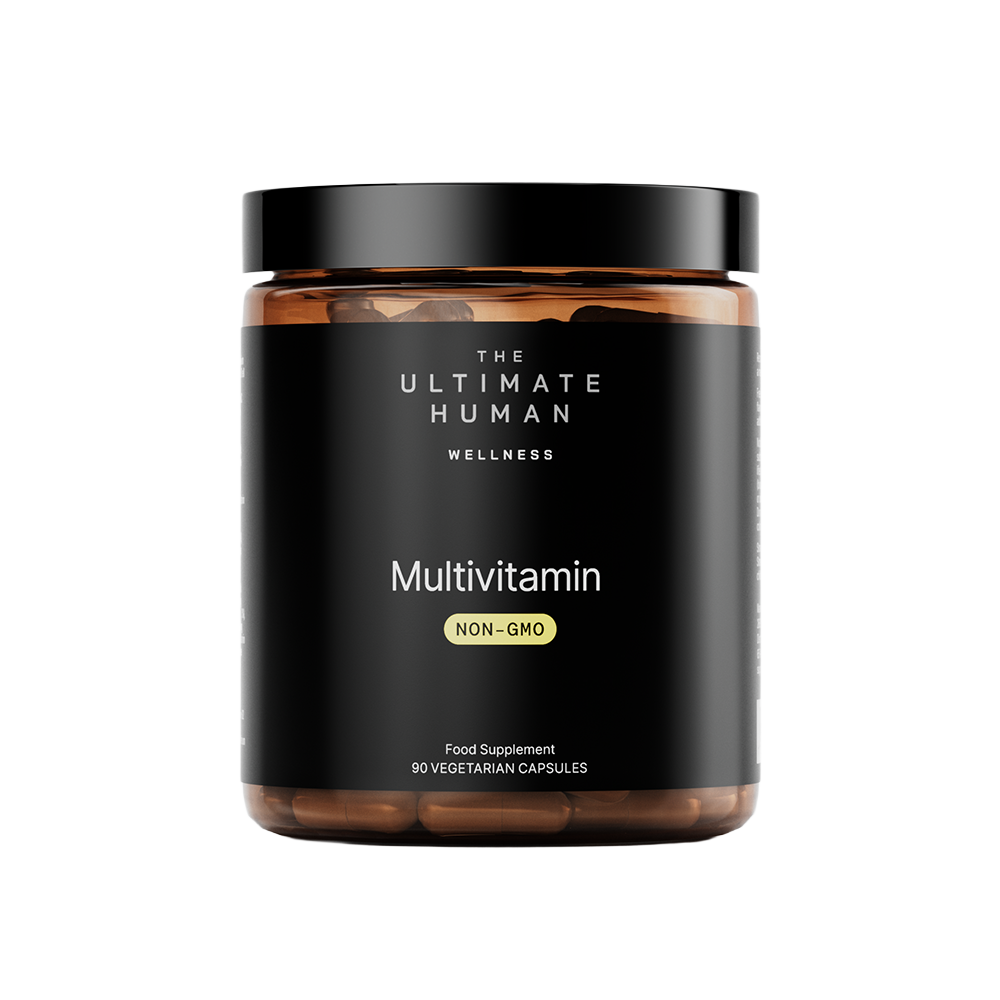
Here are the top supplement suggestions we have generated for you based on your results.


Disclaimer: Our reports and suggestions do not diagnose or treat any health conditions or provide any medical advice. Consult with a healthcare professional before making any major lifestyle changes or if you have any other concerns about your results.