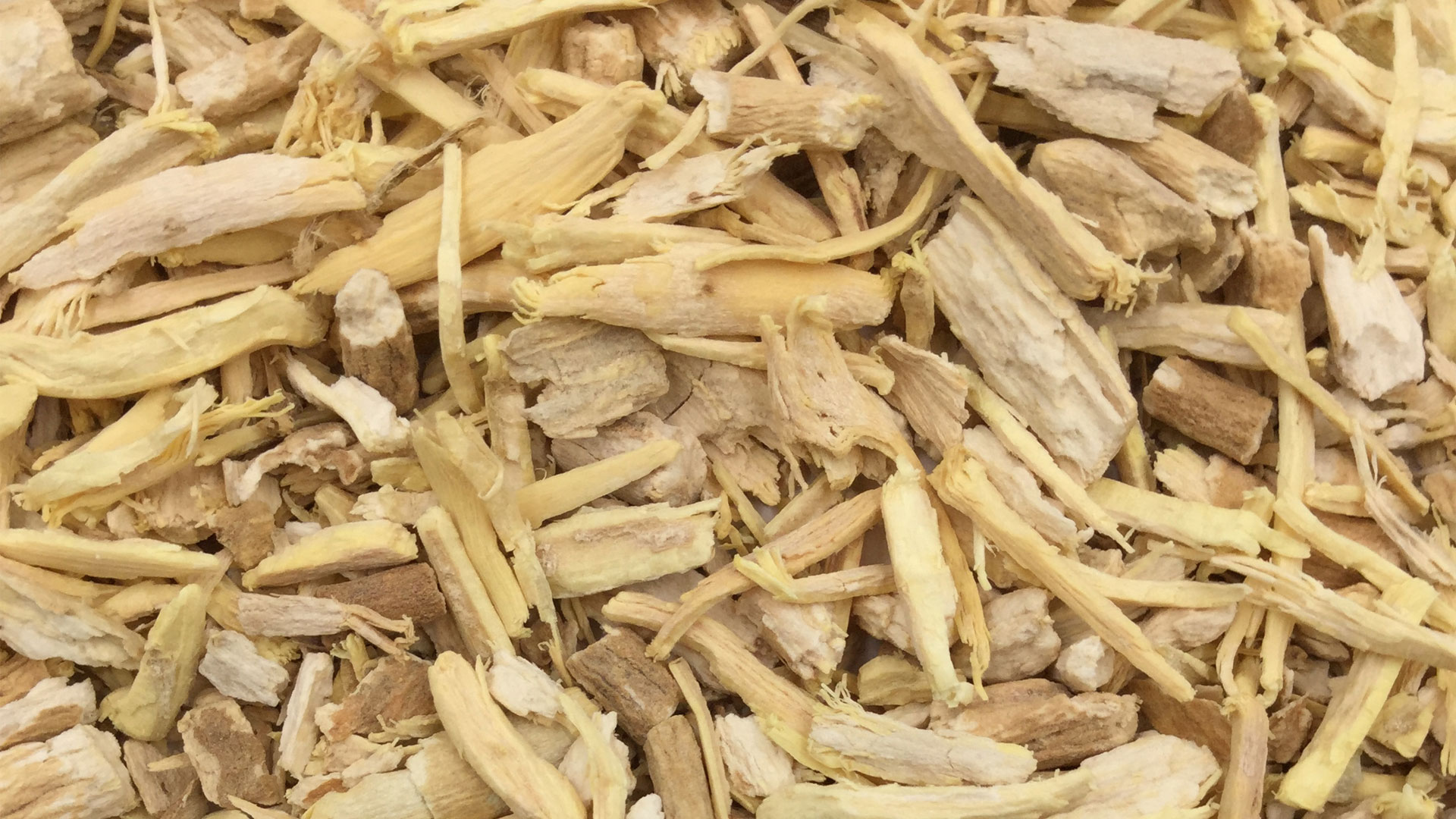
KSM-66 full-spectrum ashwagandha root extract supports healthy cortisol regulation via HPA-axis modulation. Elevated nighttime cortisol suppresses melatonin signaling and disrupts sleep onset. Ashwagandha helps restore the natural melatonin rise. Clinical RCTs have demonstrated significant cortisol reduction along with cognitive and stress resilience benefits.
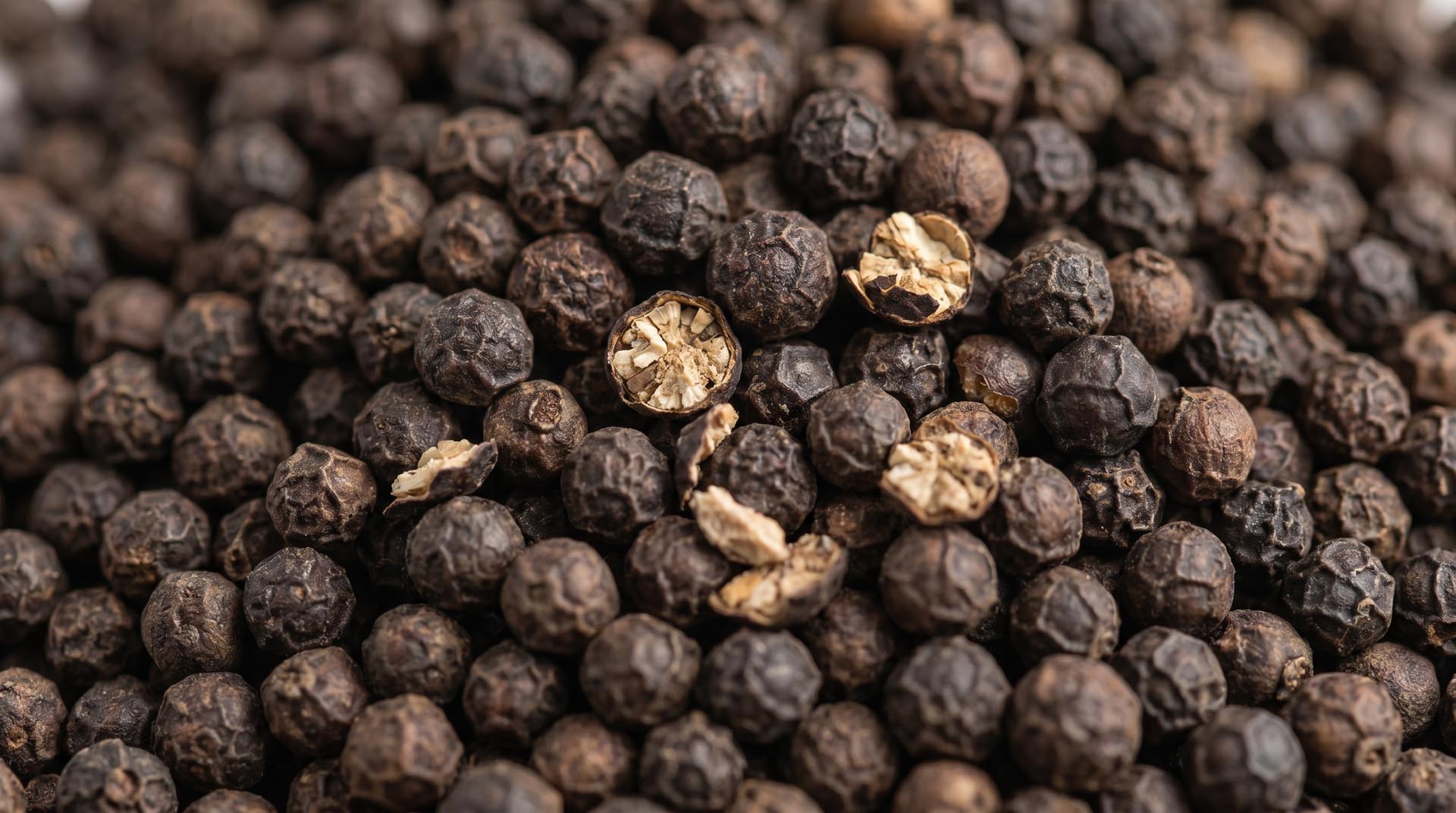
Patented black pepper extract standardized to 95% piperine — the alkaloid responsible for black pepper's bioavailability-enhancing effects. Inhibits P-glycoprotein efflux pumps in the intestinal epithelium, which would otherwise actively remove absorbed nutrients back into the gut lumen. Also inhibits CYP3A4-mediated first-pass metabolism in the intestinal wall. Specifically enhances bioavailability of B vitamins and methylation cofactors taken alongside this formula, extending their effective absorption window.
Cofactor for carboxylase enzymes involved in fatty acid synthesis, amino acid metabolism (leucine, isoleucine, valine), and gluconeogenesis. Supports keratin infrastructure for hair, skin, and nails. Included at levels supporting metabolic enzyme function.
Trace mineral supporting testosterone and estrogen metabolism, bone mineral density, and anti-inflammatory signaling. Enhances the bioavailability and half-life of Vitamin D3 and estradiol. Included at a dose consistent with dietary intake ranges supporting bone and hormonal health.

Calcium citrate — one of the most bioavailable calcium forms, absorbable with or without food (unlike calcium carbonate which requires stomach acid). Provided at maintenance dose with K2 (MK-7) included in this formula to ensure directional support — calcium into bone matrix via osteocalcin activation, not into arterial walls.

Supports the BHMT parallel remethylation pathway — choline oxidizes to betaine, which then donates a methyl group via BHMT independently of folate and B12. Provides redundancy in the methylation system when the primary folate/B12 cycle is under strain. Also essential for phospholipid synthesis, neurotransmitter production (acetylcholine), and liver function.

Supports insulin signaling and glucose metabolism — chromium potentiates insulin receptor activity, improving cellular glucose uptake. Relevant for glycemic stability, which directly influences mood, cognitive performance, and energy availability for methylation enzyme activity.

Essential cofactor for mitochondrial electron transport chain complexes I and II — directly required for ATP production. CoQ10 functions as both an electron carrier in the inner mitochondrial membrane and a fat-soluble antioxidant protecting mitochondrial membranes from oxidative damage. Levels naturally decline with age. Supports energy production for all methylation enzymes, which are ATP-dependent.
Essential trace mineral for cytochrome c oxidase (Complex IV of the mitochondrial electron transport chain), superoxide dismutase (SOD — antioxidant defense), and dopamine beta-hydroxylase (norepinephrine synthesis). Provided in balance with zinc; zinc:copper ratio matters for absorption competition.

Creatine HCl — approximately 41× more water-soluble than creatine monohydrate, dissolving completely in ~21mL water versus 400–600mL for monohydrate. This superior solubility ensures consistent intestinal absorption at lower osmotic load, minimizing GI discomfort common with monohydrate. No loading phase required. The methylation-critical function: endogenous creatine synthesis (Arginine + Glycine → GAA → Creatine via GAMT) consumes ~40–50% of all daily methyl groups from SAMe. Dietary creatine supplementation exerts negative feedback inhibition on AGAT, suppressing GAA production and downstream GAMT-mediated methylation demand — freeing SAMe for higher-priority reactions (neurotransmitters, DNA methylation, glutathione). de França et al. (2015) showed only Creatine HCl — not monohydrate — significantly improved fat-free mass and reduced body fat percentage in recreational weightlifters.

488 mg per serving DHA is the dominant fatty acid in neuronal membranes and can't be readily substituted. Dosed for sustained brain and nervous-system benefit. Molecularly distilled and third-party tested for heavy metals per lot. Supports brain function, memory, and cognitive performance; healthy vision; and mood and emotional resilience through its role in brain cell membrane structure and signaling. [1][2]

In natural triglyceride (TG) form, better absorbed than the ethyl ester (EE) form used in most budget supplements.Supports the body's natural inflammatory resolution and cardiovascular health, including healthy blood flow and blood-pressure balance. A precursor to resolvins and protectins, which actively resolve inflammation rather than just suppress it. [3][4][5]
The active, bioavailable form of folate that bypasses the MTHFR conversion bottleneck entirely. Unlike folic acid — which requires conversion steps impaired in MTHFR variants — 5-MTHF is immediately usable regardless of genotype. Supports homocysteine recycling back to methionine and is the key methyl donor feeding SAMe production. Avoids the risk of unmetabolized folic acid accumulation associated with synthetic folic acid supplementation.
Essential trace mineral for thyroid hormone synthesis (T3 and T4). Thyroid hormones set the basal metabolic rate governing how efficiently all cellular enzymatic reactions — including methylation — proceed. Iodine deficiency is globally prevalent and directly impairs metabolic rate and cognitive function.
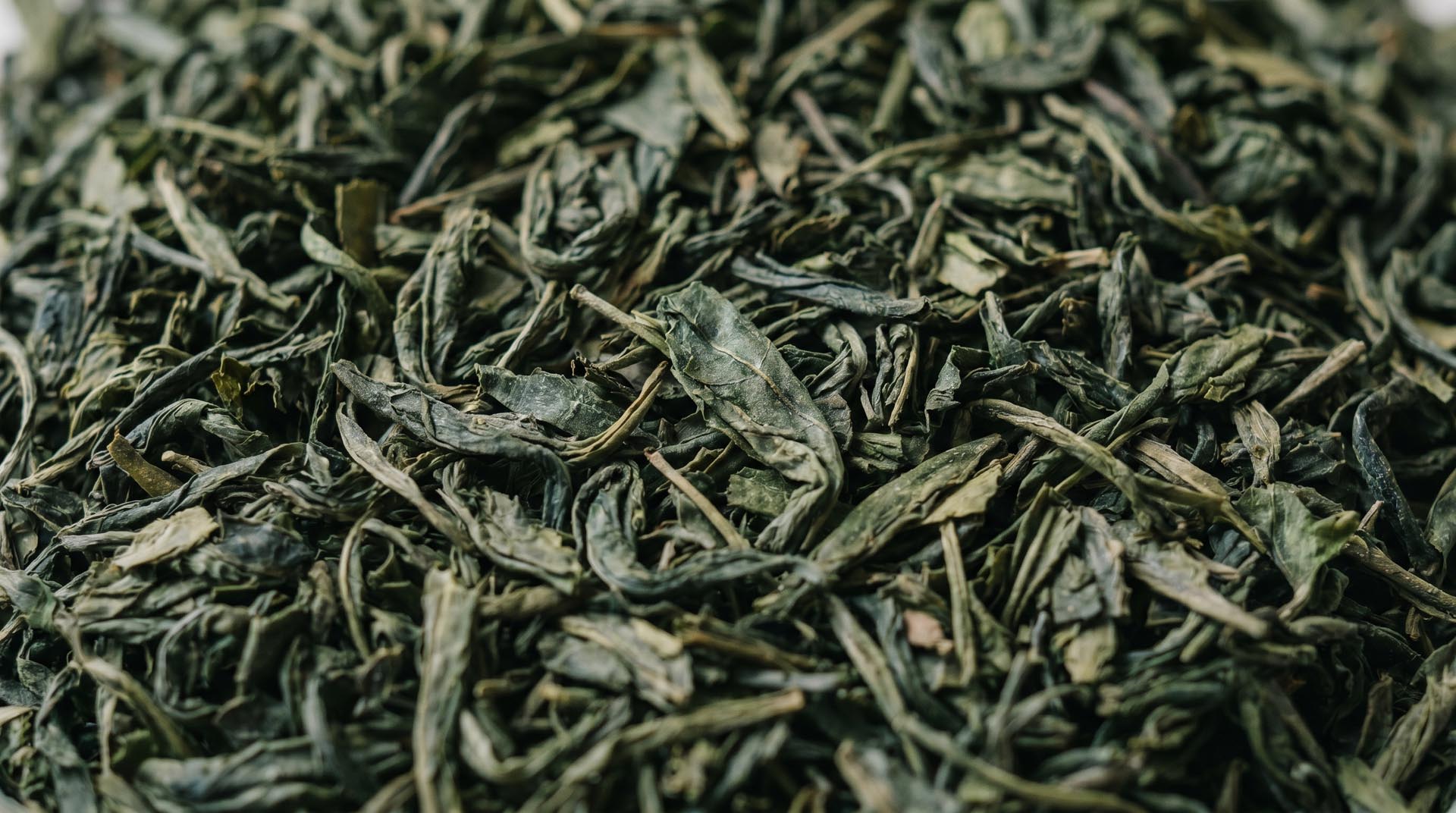
Natural amino acid derived from green tea. Increases alpha-wave brain activity — the neural state associated with calm alertness and relaxed focus — without sedation, grogginess, or pharmacologic mechanisms. Supports the excitatory/inhibitory neurotransmitter balance required for sleep onset, promotes parasympathetic tone, and reduces the stress-related racing thoughts that prevent sleep. No dependency, no receptor downregulation, no next-day cognitive impairment.

The rate-limiting essential amino acid for serotonin synthesis — it must be obtained through the diet. Dietary tryptophan directly determines serotonin production. Serotonin then converts to melatonin (via the ASMT enzyme) in a methylation-dependent step requiring SAMe. Provides the precursor supply layer; the upstream methylation stack (SAM-e, Methylated Multi) must be intact to complete serotonin → melatonin conversion.
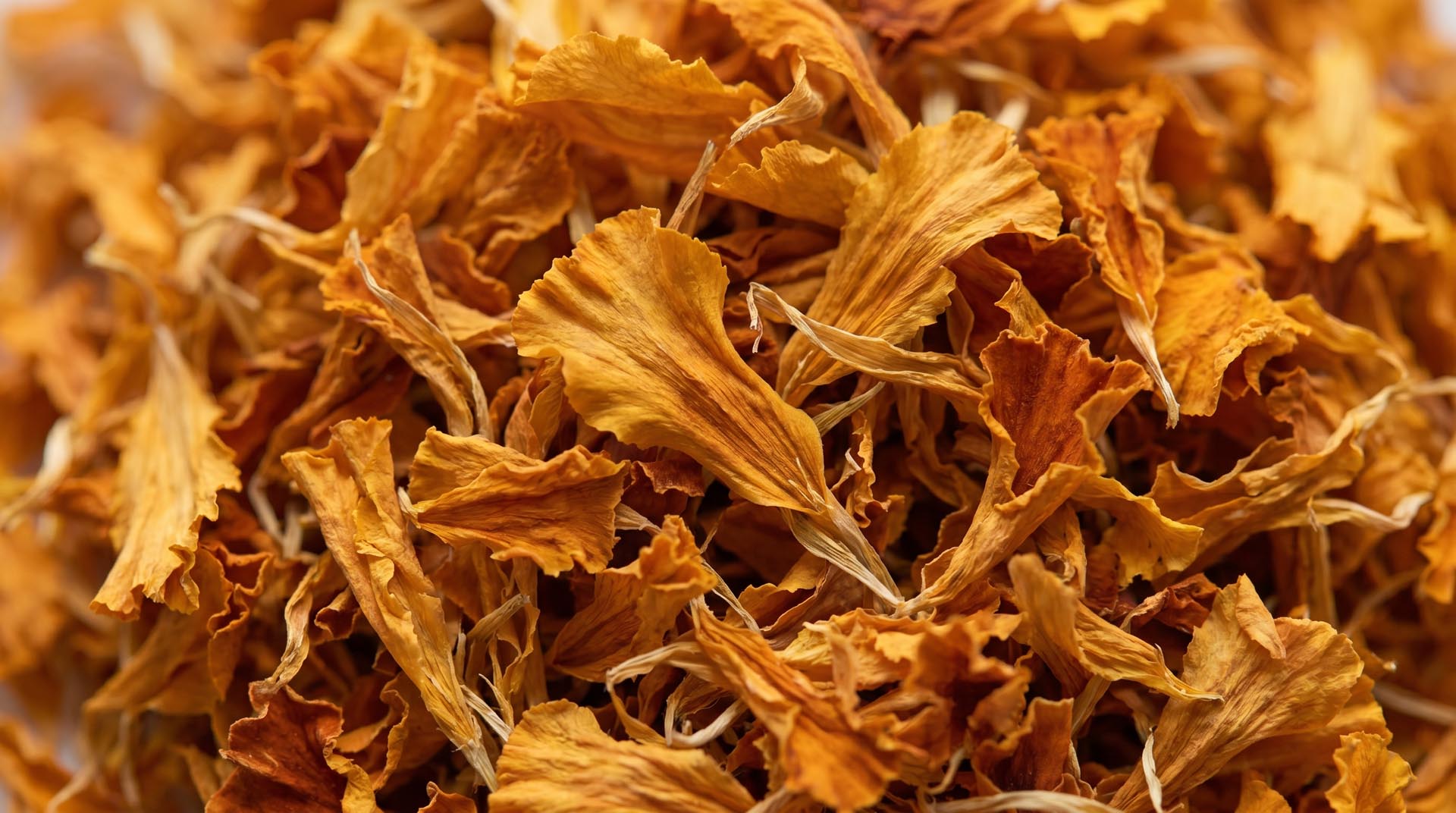
Carotenoid antioxidant that concentrates in the retinal macula — primary nutritional protection against age-related macular degeneration and blue light damage. Also acts as a brain-specific antioxidant; serum lutein correlates with cognitive performance. Provided alongside zeaxanthin and meso-zeaxanthin for complete macular pigment support.
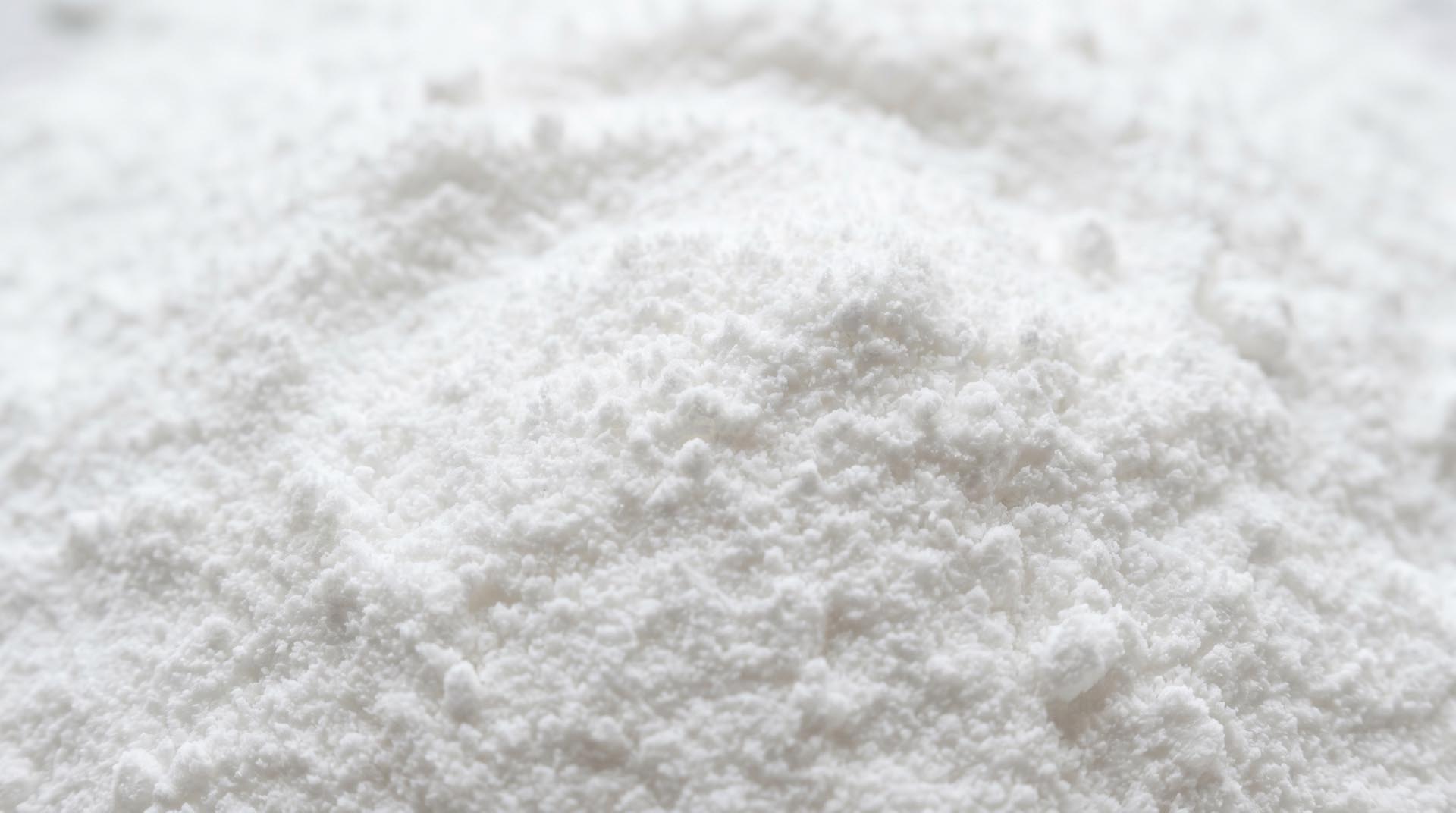
Magnesium bisglycinate — the most bioavailable form, bound to glycine for superior absorption and minimal GI irritation versus oxide or citrate forms. Required cofactor for over 300 enzymatic reactions including all ATP-dependent processes, MTHFR enzyme activity, COMT enzyme function (catecholamine clearance), and DNA repair. The glycinate chelate specifically supports neurological function via the calming amino acid glycine.
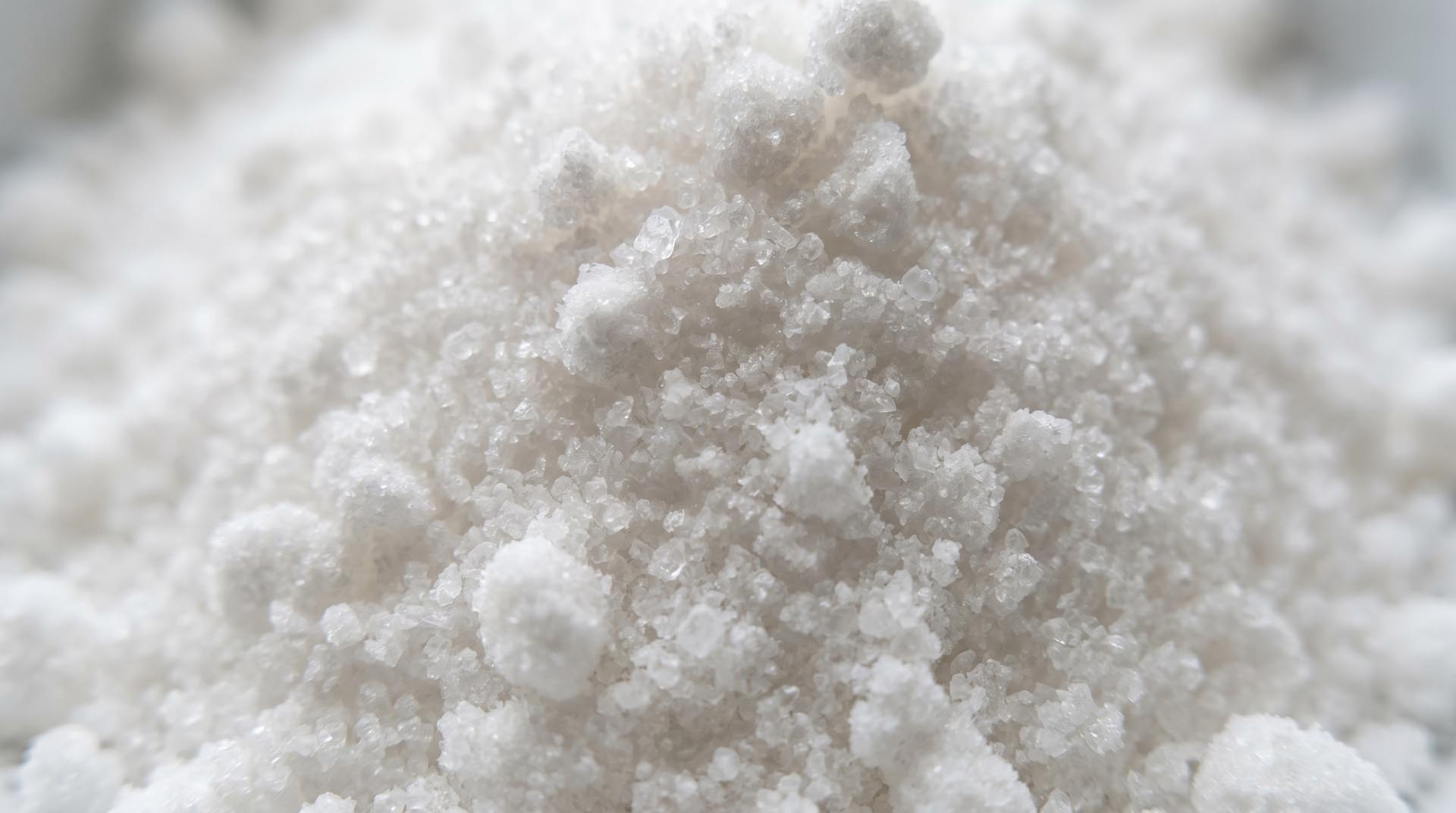
Required cofactor for COMT enzyme activity — without magnesium, COMT cannot efficiently clear catecholamines (dopamine, norepinephrine), leaving the nervous system overstimulated at night. Magnesium also modulates NMDA glutamate receptors, reducing excitatory signaling and supporting GABAergic tone for sleep onset. Magnesium glycinate offers superior bioavailability over oxide or citrate and provides calming glycine. Supports over 300 enzymatic reactions.
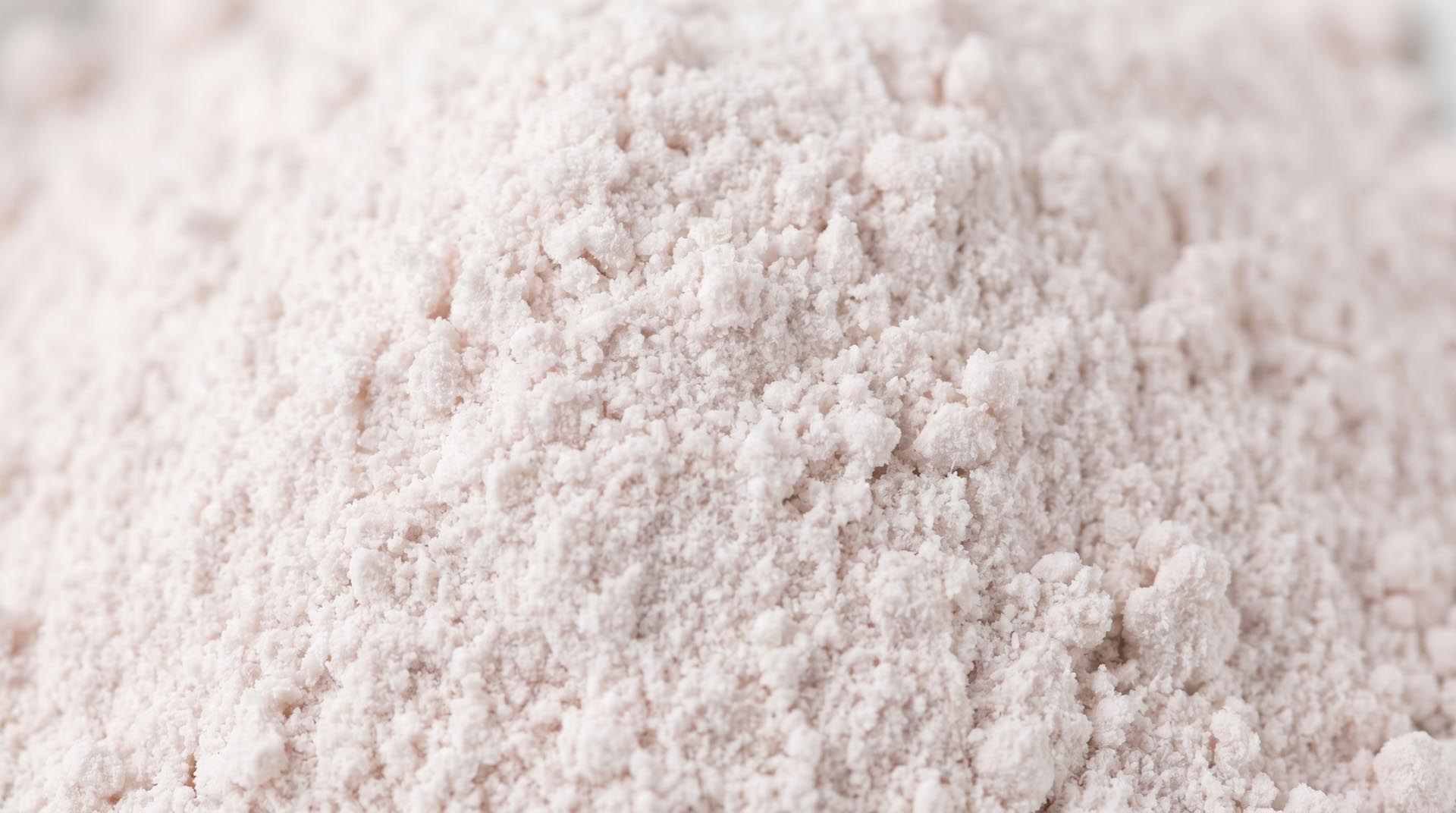
Cofactor for mitochondrial superoxide dismutase (MnSOD — the primary mitochondrial antioxidant enzyme), arginase (urea cycle), and enzymes involved in bone matrix formation and cartilage synthesis.

Cofactor for sulfite oxidase — the enzyme that converts toxic sulfite (from sulfur amino acid metabolism) to harmless sulfate for excretion. Particularly relevant in the context of CBS pathway activity, where sulfur metabolites must be safely processed. Also cofactor for xanthine oxidase and aldehyde oxidase.

Rate-limiting precursor to glutathione synthesis — provides cysteine directly without the oxidation risk of free cysteine. Glutathione is the body's primary antioxidant and Phase II detoxification cofactor. Particularly relevant for CBS variant carriers whose transsulfuration pathway generates excess sulfur metabolites, and for high oxidative stress states.

Nicotinamide form — precursor to NAD+ and NADH, the electron carriers central to all cellular energy metabolism including the mitochondrial electron transport chain. NAD+ also functions as a substrate for PARP (DNA repair) and sirtuins (longevity signaling). Non-flushing nicotinamide form chosen to avoid the prostaglandin-mediated vasodilation of niacin.
Vitamin B5 — precursor to Coenzyme A (CoA), the central cofactor for fatty acid oxidation, the TCA cycle, and acetylation reactions. Required for synthesis of acetyl-CoA, the substrate that powers both energy metabolism and the ACAT1-mediated ketone body pathway.
Required cofactor for the MTHFR enzyme itself — riboflavin is the FAD-dependent coenzyme that the MTHFR enzyme requires to function. Without adequate riboflavin, MTHFR activity is impaired independent of genetic variants. Supports energy metabolism and mitochondrial electron transport chain function.

The body's universal methyl donor and the downstream product of the full methylation cycle. SAMe drives over 200 methylation reactions including neurotransmitter synthesis and clearance (via COMT, PNMT, HNMT), DNA methylation (DNMT enzymes), Phase II hepatic detoxification, phospholipid synthesis, polyamine synthesis for cell repair, and joint proteoglycan and collagen synthesis. Enteric-coated tablet is essential — SAMe is acid-labile and degrades in gastric acid without enteric protection. Disulfate tosylate salt form is the most stable for oral delivery. Take on empty stomach for optimal absorption. Refrigerate after opening.
Required cofactor for glutathione peroxidase — the selenium-dependent enzyme that uses glutathione to neutralize hydrogen peroxide and lipid peroxides. Without selenium, glutathione cannot perform its peroxidase function. Also supports thyroid hormone metabolism (T4→T3 conversion via selenodeiodinase) and immune signaling.
Flow agent used during manufacturing for consistent capsule filling. Trace mineral that supports collagen synthesis, connective tissue integrity, bone matrix structure, and skin, hair, and nail health. Used in place of chemical binders.
Essential B vitamin cofactor for pyruvate dehydrogenase and alpha-ketoglutarate dehydrogenase — key enzymes in the TCA cycle converting carbohydrates to ATP. Required for nerve conduction and acetylcholine synthesis. Deficiency impairs mitochondrial energy production critical for methylation enzyme function.

Betaine Anhydrous — the direct methyl donor form (not Betaine HCl, which is a digestive acid support and does not provide BHMT-pathway methyl-donor activity). Donates three methyl groups directly to homocysteine via the BHMT enzyme, converting it to methionine and then SAMe. This pathway operates in liver, kidney, intestine, and adipose tissue, functioning independently of folate and B12. Critical relief valve when the primary folate/B12 methylation cycle is impaired or overwhelmed by genetic variants (MTHFR, MTR, MTRR). Also improves the SAM:SAH ratio — the operative measure of global methylation efficiency — by shifting equilibrium away from SAH accumulation.
Preformed Vitamin A (retinol) — directly usable unlike beta-carotene, which requires conversion that is highly variable between individuals. Supports immune system function (T-cell differentiation), vision, epithelial cell integrity, and gene expression via nuclear retinoid receptors. Provided at levels supporting baseline physiologic function.
Dual active B12 forms that bypass MTR/MTRR-dependent conversion. Methylcobalamin is the active, neurologically bioavailable form that directly supports homocysteine recycling and neurological function. Hydroxocobalamin has a longer circulating half-life and converts to active B12 as needed. Together, they maintain holotranscobalamin, the bioavailable B12 fraction. Cyanocobalamin (the standard form) releases a cyanide metabolite and requires conversion steps that may be impaired in MTR/MTRR variants.
Active B6 as Pyridoxal-5-Phosphate — the cofactor form directly used by CBS enzyme for transsulfuration (homocysteine → cysteine → glutathione). P5P bypasses the conversion steps from standard pyridoxine that can be impaired. Supports neurotransmitter synthesis (serotonin, dopamine), tryptophan metabolism, and red blood cell production.

Water-soluble antioxidant and enzymatic cofactor. Regenerates oxidized Vitamin E, supports collagen synthesis (hydroxylation of proline and lysine), iron absorption, and immune cell function. Acts as electron donor for multiple hydroxylase enzymes including dopamine beta-hydroxylase (norepinephrine synthesis). Supports the oxidative buffering capacity of the glutathione/NAC system.
Natural D3 form — superior to D2 at raising and maintaining serum 25(OH)D levels. Included in the multivitamin at foundational maintenance dose; the standalone D3+K2 product provides therapeutic VDR-optimization dosing. Here supports baseline gene expression, calcium absorption, and immune function alongside the K2 (MK-7) included in this formula.
Natural form of vitamin D produced in the skin from sunlight — significantly more effective than D2 at raising and maintaining serum 25(OH)D levels. Converted in the liver to 25(OH)D, then in the kidney and peripheral tissues to calcitriol (active form), which binds the Vitamin D Receptor (VDR) and regulates expression of hundreds of genes involved in calcium transport (TRPV6), bone remodeling, immune modulation, and inflammatory signaling. VDR variants reduce receptor sensitivity — D3 provides more circulating calcitriol substrate to maintain consistent gene-level signaling despite partial receptor impairment. This is substrate optimization, not VDR correction.
Natural-form Vitamin E (D-alpha tocopherol) — the most biologically active tocopherol isomer. Fat-soluble antioxidant protecting cell membranes and mitochondrial membranes from lipid peroxidation. Regenerated from its oxidized form by Vitamin C. Supports immune function and prevents oxidative damage to polyunsaturated fatty acids in neuronal membranes.
Primary form of vitamin K for blood clotting factor activation (factors II, VII, IX, X). Supports normal coagulation cascade and bone metabolism via osteocalcin activation, working in concert with K2 (MK-7) also present in this formula.
MK-7 form of Vitamin K2 — the longest-acting K2 form with a ~72-hour half-life (vs. ~4 hours for MK-4), ensuring continuous calcium-directing protein activation. Activates two critical calcium-binding proteins: Osteocalcin (binds calcium into bone matrix, supporting density and structural integrity) and Matrix Gla Protein/MGP (inhibits calcium deposition in vascular smooth muscle, protecting arterial flexibility). Without K2, increased calcium availability from D3 supplementation may be misdirected to soft tissue instead of bone. K2 does not increase calcium absorption — it directs where existing calcium goes. The most effective K2 form for vascular outcomes.
Required cofactor for over 300 enzymes including those involved in protein synthesis, DNA repair, immune function, and MTR enzyme activity (the B12-dependent remethylation enzyme). Zinc citrate form provides superior bioavailability versus zinc oxide. Supports testosterone synthesis and thyroid hormone metabolism.